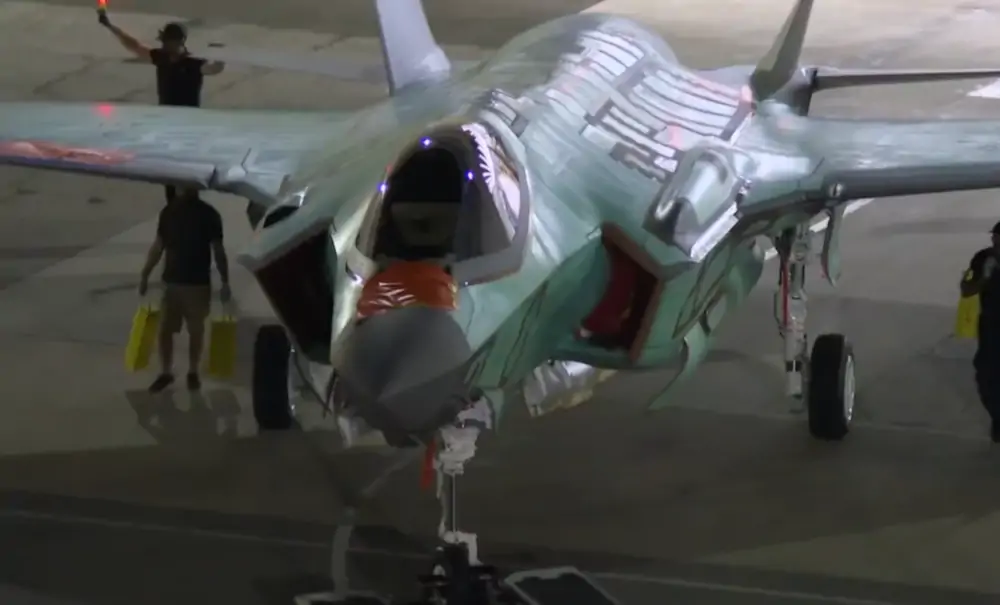





At the legendary Marine Corps Air Station Miramar in California, a uniquely painted F/A-18D Hornet named “Devilfish” has been unveiled. The aircraft was prepared for the upcoming celebrations of the 250th anniversary of the United States and has already generated huge interest among military aviation enthusiasts.
The aircraft, bearing BuNo 165532, has just completed preservation work and will join the United States Marine Corps squadron VMFA-323 “Death Rattlers” in June 2026.
The name “Devilfish” is far from accidental. It symbolically combines the history of two famous Marine squadrons. The aircraft will first serve with VMFA-323 “Death Rattlers,” and later, after the unit transitions to the F-35, it will be transferred to VMFA-232 “Red Devils,” where it is expected to remain in service until around 2028.
Just a couple more shots Dave took. Can’t wait to see it again next week for a squadron photo shoot 🇺🇸🇺🇸😬
— ShayneB52🇺🇸🇺🇸🦅🇺🇸 (@ShayneB52) May 11, 2026
NCAS Miramar pic.twitter.com/rWbwArBrgM
The term “Devilfish,” meaning “sea devil,” refers both to the “devilish” symbolism of VMFA-232 and the naval character of Marine aviation. Historically, the name was used in military and maritime terminology for aggressive sea creatures such as manta rays or squids ... and a cephalopod of this type was painted on the aircraft’s vertical stabilizers.
Ok here it is! Say hello to Devilfish and her tribute to America’s 250th birthday!
— ShayneB52🇺🇸🇺🇸🦅🇺🇸 (@ShayneB52) May 9, 2026
This aircraft came out of preservation and will go to VMFA-323 in June. BUNO 165532 represents the Marines of MALS-11. The CO LtCol Alex “Python” Monte was totally on board when I presented this… pic.twitter.com/yhInYEvRez
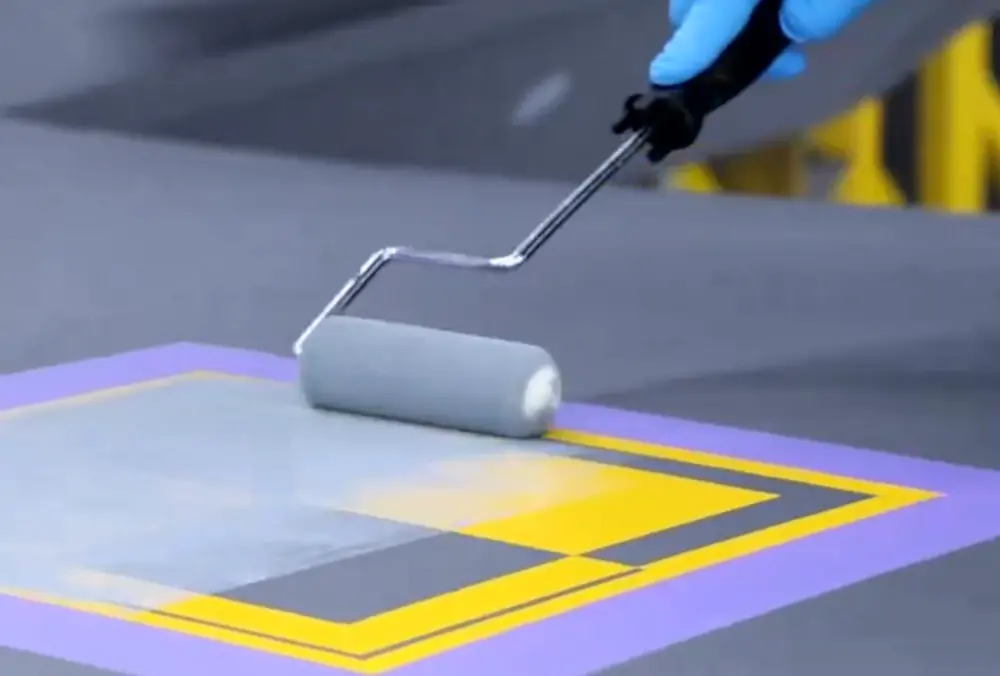
The extraordinary paint scheme was created by Shayne Meder, known in the aviation community as “Flygirlpainter.” The retired U.S. Air Force member has spent 26 years designing special liveries for military aircraft.
Shayne Meder is a retired U.S. Air Force Senior Master Sergeant. She served for 20 years, working among other things on the mechanics and hydraulics of B-52 bombers. She retired in 1994. Since then — effectively for nearly 30 years — she has professionally restored and artistically painted military aircraft. She has operated under the name “Flygirlpainter” since 1999, when she first painted artwork on the tail of a Navy Seahawk helicopter. In November 2025, she celebrated the 26th anniversary of her work under that name.
Returning to the F/A-18 project: the artist emphasized that the paint scheme was created entirely on a volunteer basis. Dave Nenna assisted with the work, while Marines from MALS-11 also provided support. “We do this for free for the military,” Shayne Meder wrote on social media.
According to released information, the VMFA-323 command gave the artists complete creative freedom. The result is an exceptionally distinctive patriotic paint scheme inspired by the history of the United States and the traditions of American military aviation.
The aircraft also features 13 stars placed in various locations, symbolizing the original thirteen colonies that formed the United States. It is one of the most symbolic elements of the entire project.
Work on the paint scheme lasted eleven days and took place inside a special “Hush House” facility at Miramar. This is a specialized hangar designed to allow full jet engine testing with afterburners while simultaneously suppressing noise.
So this Hornet we are painting is actually inside the hush house-where they can do full burner engine runs without the noise. My assistant took this today while I was painting on the tail. He was in the “exhaust tunnel” it’s crazy looking.
— ShayneB52🇺🇸🇺🇸🦅🇺🇸 (@ShayneB52) May 6, 2026
I included a shot looking the opposite… pic.twitter.com/TxWBGNTiaN
Shayne Meder described the behind-the-scenes work as extremely demanding. The artists worked in cold and rainy conditions, while the enormous “Hush House” structure made a huge impression even on experienced team members.
In the background of the published photographs, new hangars being constructed for F-35 fighters at the famous “Fightertown USA” base can be seen, further highlighting the ongoing generational transition in American naval aviation.
The classic F/A-18 Hornet is gradually being retired in favor of the modern F-35B and F-35C. Because of this, “Devilfish” is already considered one of the final major special paint projects for the legendary Hornet.
Experts and aviation enthusiasts emphasize that the aircraft will likely become one of the main attractions at American air shows over the next two years.
Miramar Air Station, where “Devilfish” was created, is well known to fans of the movie “Top Gun.” This was the location of the famous hangar featured in the film. The structure was demolished in May 2024. New facilities adapted for servicing modern fighter aircraft will be built in its place.
Source: Shayne Meder / Flygirlpainter, USMC, MCAS Miramar / edited by Aviation24.pl